


The marketing world in 2015
Brand storytelling was everywhere. Every agency, every brand, every conference was talking about the power of narrative. Telling your story. Finding your authentic voice. Creating content that engages.
And it was working. For a while.
But I kept noticing something. The brands generating the most genuine engagement weren’t the ones telling the best stories. They were the ones doing something real and then letting the story emerge from the action.
The insight I was reaching for in 2015: in a world where everyone is a storyteller, the scarce resource isn’t the story. It’s the thing worth telling a story about.
Do, don’t show.
Judith
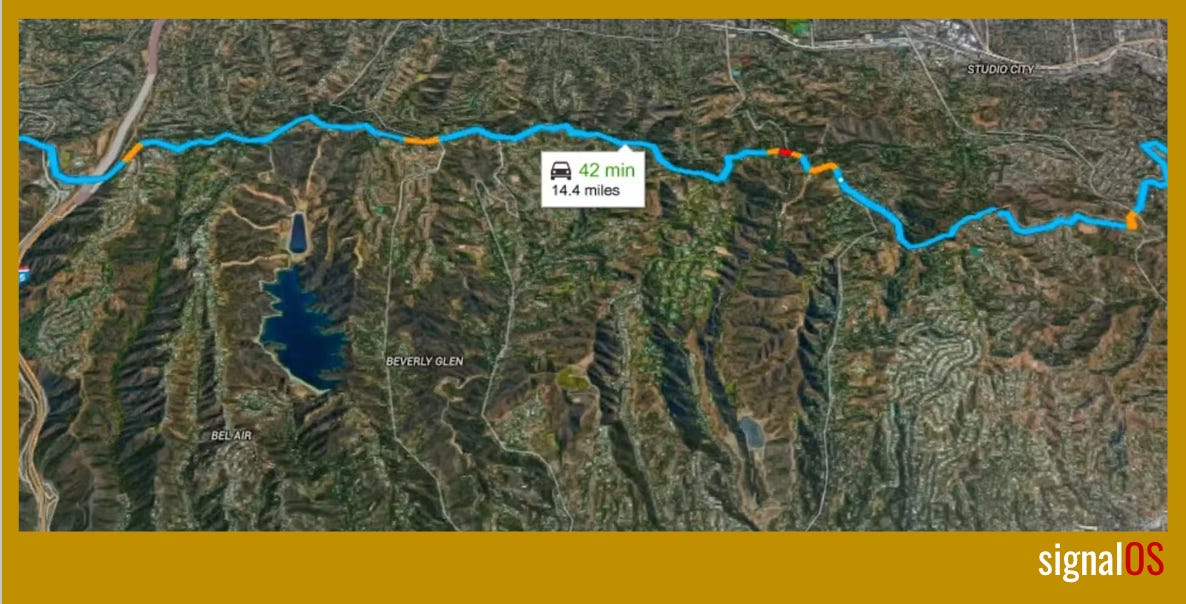
I was at Verizon when I wrote that piece, around the time Verizon corporate purchased the entirety of Verizon Wireless. A year previously I received a message from the Wireless CCO that would alter the eventual course of Verizon’s advertising.
The Wireless CEO received letters from customers regularly, mostly complaints, occasionally something else. The CCO shared one with me. A woman named Judith had driven her car into a ravine off of Mulholland Drive. It was late, it was dark, and that road is famous for its blind curves. She was alone. Because she had switched from a competitor and their spotty service to Verizon and their much better service, she was able to reach 911.
I saw an opportunity to tell a real story, real news, and quickly contacted Judith. She was very excited to tell her story, and was open to being interviewed on camera. My team and I gathered the resources we had, made a prioritization list, and decided to go for it with this story as a pilot to prove the value of these types of stories. We made a mini-documentary about Judith and posted it on YouTube.
It got thousands of organic views without paid amplification. For a brand the size of Verizon, in 2014, that was meaningful. Real people finding a real story and sharing it because it was true.
Internally though the response was muted. The company had recently moved on from “Can you hear me now,” and there was a lot of internal discussion about what to do next. At the time, there was comfort in what had been working, the celebrity campaigns, the polished production. A mini-documentary about a customer in a ditch felt “not big enough.”
The three year gap
What followed wasn’t a dramatic moment of organizational conversion.
It was three years of quiet, persistent work. Bringing the evidence of that pilot forward, the insight we learned from that pilot and a few follow-ups working with real people, telling real stories. Building the internal case one stakeholder at a time. Communications was the first mover, as it was also with “Can you hear me now.” Marketing eventually picked up on the idea and ran with it.
That gap between first mover and mainstream adoption is where most good ideas die. Part of my role, the part that doesn’t show up in a job description, was influencing internal stakeholders on concepts the organization wasn’t ready for yet. Showing a different and better way.
Most of the real work of those three years wasn’t creating content. It was creating believers.
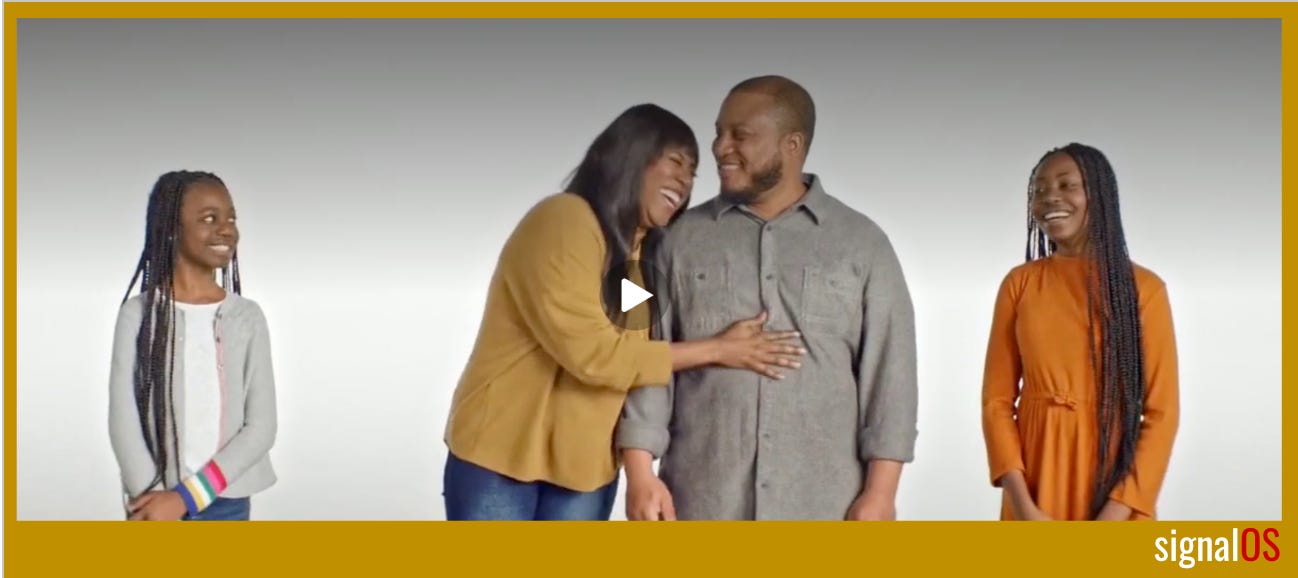
The strategy I had piloted with one mini-documentary about Judith became national television, a series of ads with real customers sharing their experiences.
Why this matters more now than it did in 2015
Ai has made brand storytelling essentially free. Anyone can generate a story in seconds. A brand narrative, a customer testimonial format, a thought leadership piece, all of it available at zero marginal cost.
Which means the 2015 insight has become urgent in a way it wasn’t then.
If everyone can tell a story, the story is no longer the differentiator. The thing worth telling a story about is the differentiator. The action. The proof. The Judith.
Brands that are leaning into AI for content production right now, generating more stories faster at lower cost, are scaling a commodity. They’re becoming more efficient at producing something that’s becoming less valuable.
The brands that will break through aren’t the ones with the best AI-generated content. They’re the ones doing something real enough that the story tells itself.
The question for your brand
What is your organization actually doing, not saying, not positioning, not narrativizing, that is genuinely worth a story?
Not a campaign. Not a content pillar. An action. Something that happened or is happening that a real person would tell another real person about because it mattered to them.
That’s your Judith. Find her. Document her. Let the story emerge from the truth of what you actually did.
Do, don’t show.